
ApneTV: Pakistani dramas in English, from Zindagi Gulzar Hai, Suno Chanda and Parizaad to Ehd e Wafa, Tere Bin, Kabli Pulao and the PTV classics, and where to watch them
304 Pakistani drama serials and telefilms arranged by channel: Hum TV, ARY Digital, Geo, PTV and more, from Ankahi in 1982 to the newest serials of 2026.
Channels List
Popular serials
More ›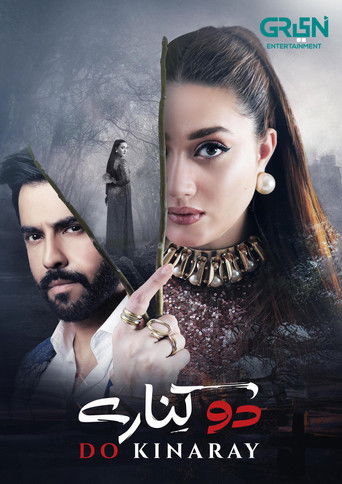


New serials
More ›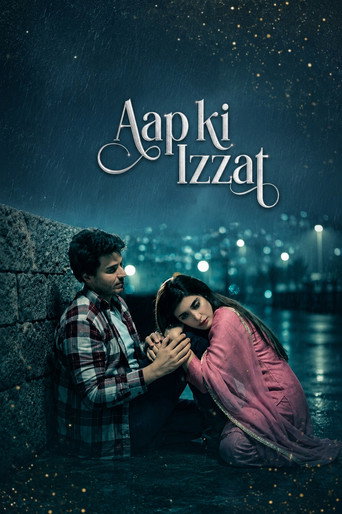
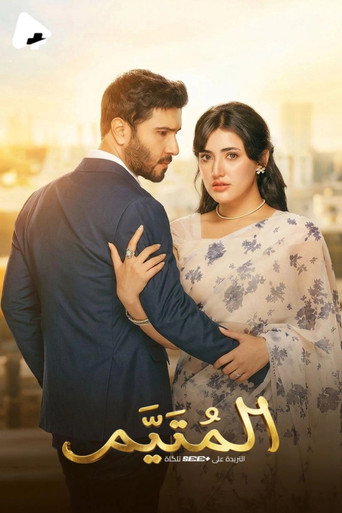
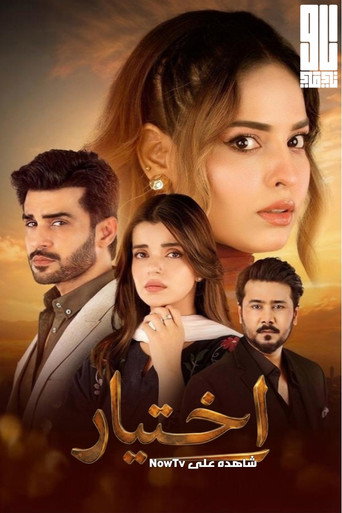
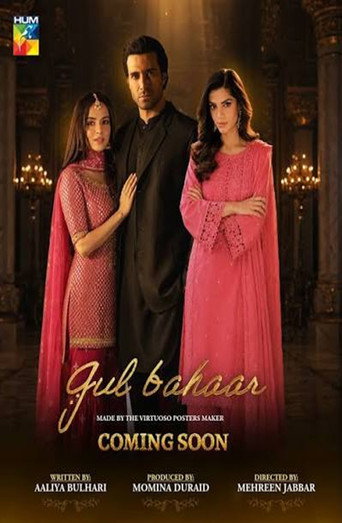

Browse
- Serials (297)
- Telefilms (7)
- Hum TV (68)
- ARY Digital (52)
- Geo (34)
- PTV classics (13)
- Green TV and more (21)
- Zindagi and streaming (33)
- Comedy (49)
- Love stories (156)
- Family dramas (159)
- Before 2010 (20)
- The 2010s (95)
- 2020 onward (189)
- Top rated (25)
Help pages
Pakistani dramas in English: the ApneTV guide
ApneTV: Pakistani dramas in English, from Zindagi Gulzar Hai, Suno Chanda and Parizaad to Ehd e Wafa, Tere Bin, Kabli Pulao and the PTV classics
Pakistani television drama is one of the great storytelling traditions of South Asia. Its serials are short by the standards of the region, usually twenty to forty episodes with a clear beginning, middle and end, and they are known for strong writing, natural acting, beautiful Urdu dialogue and stories that families discuss for weeks. From the golden age of Pakistan Television in the 1980s to the busy private channels of today, these dramas have won devoted audiences at home, in India, in the Gulf, in Britain and wherever Urdu and Hindi are spoken. ApneTV is an English guide to that world: 304 Pakistani drama serials and telefilms, made between 1982 and 2026, 297 serials and 7 telefilms, each with its own page, its story in English, its year, its number of episodes, and a Watch now button that leads to the official services carrying it in your country.
The catalogue is arranged the way viewers think about Pakistani drama, by channel. Hum TV, ARY Digital and Geo each have their own shelf, together with the PTV classics, Green TV and the smaller channels, and the serials made for Zee Zindagi and for streaming. Within the channels you will find love stories, family sagas, comedies, Ramadan serials and inspiring stories about friendship and service. The catalogue has been chosen by hand, and the darker serials built on crime, revenge or cruelty belong to other guides, so every title here is one that a family can enjoy together.
The sections below are a relaxed tour of Pakistani drama: how the site is laid out, the channels one by one, the PTV classics, the comedies and Ramadan serials, the love stories and family dramas, the writers and stars, the telefilms, the story of Pakistani drama in India and a few suggestions for a first week. Each section links to a short help page, and the How to watch page sums up the simple steps from a title page to the official service.
How ApneTV looks
ApneTV keeps the simple, practical layout of the site it is named after, a site that listed television serials channel by channel. The page is clean white. At the top left sits the ApneTV logo, a red play button followed by the word Apne in charcoal and TV in red, with a red-outlined My List button on the right. Below it runs a charcoal menu bar with the main links in white capital letters, Home, Hum TV, ARY Digital, Geo, PTV and the A to Z list, a white search box at its right end and a red rule along its bottom edge. On a phone, the links fold into a menu behind a small button.
The home page opens with a red heading and a short introduction, followed by a thick red band, just as on the original site. Then comes the heart of the page, the Channels List. Each channel has its own row: on the left, a coloured badge with the channel's name, blue for Hum, red for ARY, orange for Geo, green for PTV, bright green for Green TV and purple for Zindagi; on the right, the channel's name as an underlined red heading with the number of serials it holds, and below it a bulleted list of its most popular serials in blue links, laid out in three columns on a wide screen, with a More link at the end.
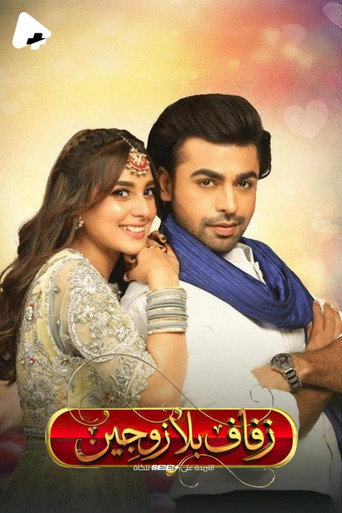
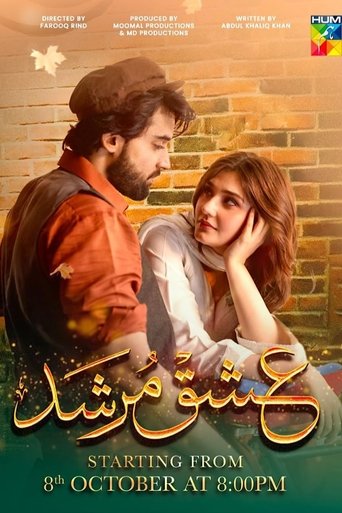
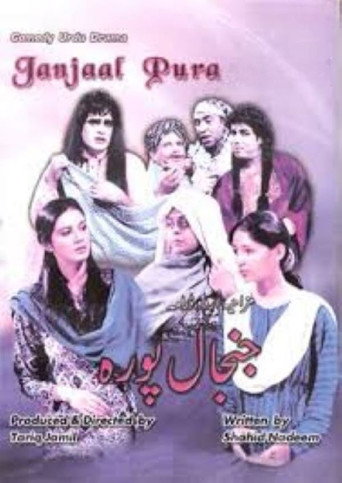
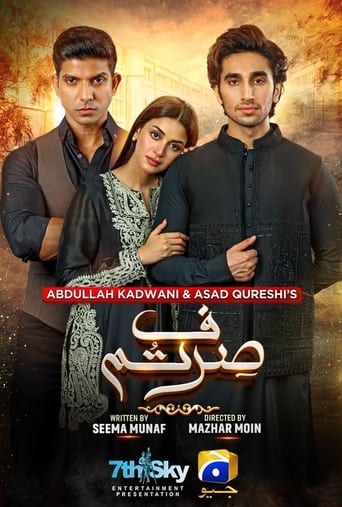
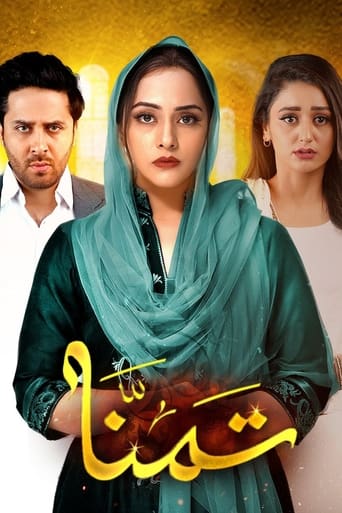
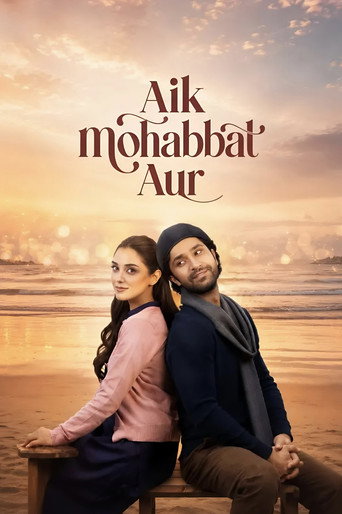
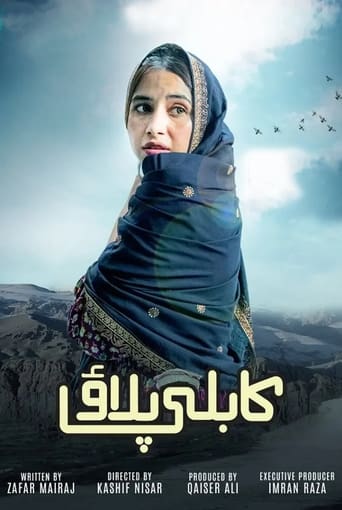
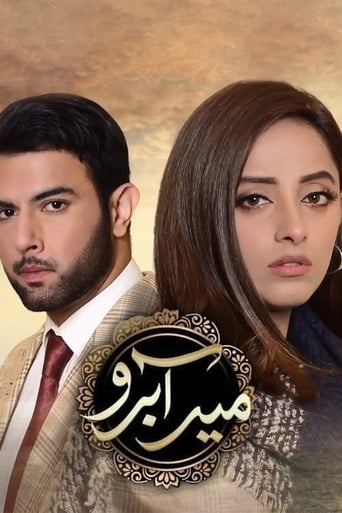
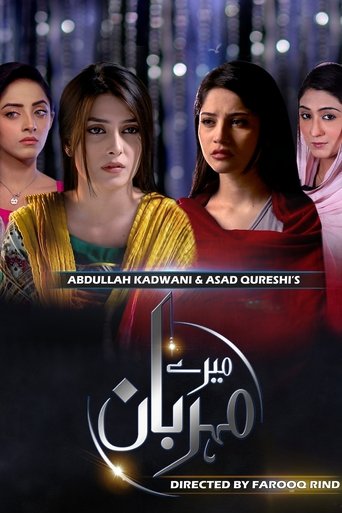
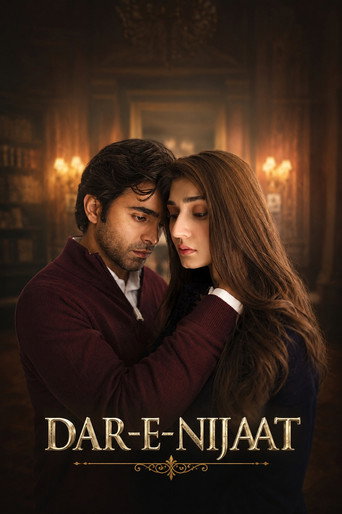
Below the Channels List come two rows of posters, Popular serials and New serials, each poster with a thin grey border, the title in bold and a line with the year and the number of episodes. A grey Browse panel lists every shelf with its number of titles and every help page, and this guide sits in a bordered text box near the bottom, like the text section of the original site. A charcoal footer with a red top rule closes the page.
The page structure, the channel-by-channel lists, the red rule and the red Open Sans heading are drawn from archived copies of the original site from 2021 and 2024. Its style sheets are missing from the archive, so the rest of the palette, the white page, the charcoal bar and the channel colours, has been completed for this site in the same spirit. The posters, stories and credits are new, and every part of the page works with a keyboard, a screen reader and a small phone screen.
Hum TV
Hum TV, launched in 2005, became the home of the modern Pakistani love story, and its serials are among the most watched in the world. The Hum TV shelf holds 68 serials, the largest on the site, and the Hum TV help page offers a quick tour.
Zindagi Gulzar Hai, first shown in 2012, is often named as the finest Pakistani serial of its decade. Based on the novel by Umera Ahmad, it follows Kashaf, a proud and hard-working young woman from a modest family, and Zaroon, a charming young man from a wealthy one, whose very different views of life slowly bring them together. Its careful writing, its honest portrait of class and family and its gentle humour made it a phenomenon in Pakistan and later in India.
The channel's love stories are many and varied. Diyar-e-Dil, written by Farhat Ishtiaq, is a multi-generational family saga set partly in the beautiful north of Pakistan. Sadqay Tumhare is a nostalgic love story between two cousins promised to each other as children. Bin Roye, Mann Mayal and Ranjha Ranjha Kardi are deeply romantic, and Main Abdul Qadir Hoon follows a spoiled but good-hearted young man whose life takes a new and humbling direction.
Recent Hum TV serials have reached record audiences online. Parizaad, based on Hashim Nadeem's novel, follows a kind, poetic young man whose dark skin and humble background make the world underestimate him, and his journey to find love and respect is told with great heart. Ehd e Wafa follows four school friends through university and into adult life, with one of them joining the army. Ishq Murshid is a romance between a wealthy young man and a woman of strong principles, and Fairy Tale is a cheerful modern romance about a young woman's dreams.
Hum TV is also the home of some of Pakistan's best-loved Ramadan serials. Suno Chanda, from 2018, follows two cousins who are promised to each other but squabble at every turn, in a lively joint family; it was such a success that it became a Ramadan tradition. Chupke Chupke and Hum Tum continued the tradition with romantic comedies full of family warmth.
ARY Digital
ARY Digital is one of Pakistan's oldest private entertainment channels, and its serials range from big romances to long-running comedies. The ARY Digital shelf holds 52 serials, and the ARY Digital help page picks out the highlights.
Bulbulay, first shown in 2009, is one of the longest-running sitcoms in Pakistani television, a cheerful comedy about a slightly chaotic family that has kept audiences laughing for years. Pyarey Afzal, from 2013, is a much-loved romance about a carefree young man whose life is changed by love, and Dil Lagi is a passionate love story set in the back streets of interior Sindh.
Sinf-e-Aahan, from 2021, follows six young women from very different backgrounds who join the army as cadets, and it is a stirring story about friendship, courage and ambition. Kuch Ankahi, from 2023, follows a determined young woman who supports her family, and the many other ARY serials on the shelf cover every kind of love story and family drama.
Geo
Geo Entertainment, now known as Har Pal Geo, has made many of Pakistan's most talked-about serials, from festive comedies to grand love stories. The Geo shelf holds 34 serials, and the Geo help page offers a short tour.
Alif, from 2019, written by Umera Ahmad, follows a successful film director who sets out to reconnect with his roots and finds a new meaning in life through the art of calligraphy; it is one of the most thoughtful serials of recent years. Tere Bin, from 2022, is a passionate romance between two strong-willed people bound together by their families, and it became one of the most watched Pakistani serials on YouTube. Jannat Se Aagay follows a college student who becomes the nanny of her favourite celebrity and discovers the world behind the cameras.
Geo is also famous for its wedding comedies. Azar Ki Ayegi Baraat, Dolly Ki Ayegi Baraat and Takkay Ki Ayegi Baraat, from 2009 to 2011, follow the same large, noisy family through one wedding after another, with Bushra Ansari leading a brilliant comic cast. Ishq Jalebi and Chaudhry and Sons are lively family comedies of the 2020s.
The PTV classics
Before the private channels arrived, Pakistan Television was the country's only broadcaster, and its dramas of the 1980s and 1990s are remembered as a golden age. Families gathered around a single television set, streets fell quiet when a popular serial was on air, and the best writers and actors of the day created stories that are still watched and quoted. The PTV classics shelf gathers 13 of them, and the PTV classics help page offers a tour.
Haseena Moin was the great writer of the era. Ankahi, from 1982, follows a lively young woman who takes a job to support her family after her father's death, and its warmth and wit made it a national favourite. Tanhaiyan, from 1985, follows two sisters who lose their home after their parents' death and rebuild their lives with courage and humour. Dhoop Kinare, from 1987, is set among the doctors of a Karachi hospital and is remembered for the sparkling relationship between its two leads. All three are admired for their confident, intelligent heroines.
Comedy and satire flourished too. Aangan Terha, written by Anwar Maqsood, is a celebrated comedy about a family and its unusual household, full of clever wordplay. Family Front, from 1997, is a family sitcom, and Janjal Pura, from 1996, is a comedy about the lively residents of a neighbourhood. For children, Ainak Wala Jin, from 1993, follows a genie sent to Lahore who befriends a group of children, and a whole generation of Pakistani children can still sing its songs.
Alpha Bravo Charlie, from 1998, directed by Shoaib Mansoor, follows three friends who join the army, and it is remembered for its humour and its friendship as much as for its drama. Mirza Ghalib, from 1988, tells the life of the great Urdu and Persian poet, and Mann Chalay Ka Sauda, written by Ashfaq Ahmed, is a thoughtful serial from 1990.
Green TV, Zindagi and more
Pakistan now has many entertainment channels, and some of the most interesting recent serials come from the smaller ones. The Green TV and more shelf holds 21 serials from Green TV, A Plus, Express and others.
Kabli Pulao, from Green TV in 2023, is a gentle, much-praised love story between an upright older man from Lahore and a young Afghan woman in need of shelter, told with great tenderness. 22 Qadam follows a free-spirited young woman who longs to play cricket, and Aunn Zara, from A Plus, is a romantic comedy about two spoiled young people who learn to understand each other. Mera Naam Yousuf Hai retells the story of Yousuf and Zulaikha as a modern romance, and Dumpukht - Aatish e Ishq is a love story set in a traditional community.
The Zindagi and streaming shelf gathers serials shown on Zee Zindagi in India or made for streaming services. Ek Jhoothi Love Story is a romantic comedy about two young people who stretch the truth to impress each other, Dhoop Ki Deewar is a love story between a young woman from Pakistan and a young man from India whose fathers were soldiers on opposite sides, and Mrs. & Mr. Shameem is a moving story of friendship and marriage.
Love stories
Romance is the beating heart of Pakistani drama, and the Love stories shelf holds 156 serials, about half of the catalogue. The Love stories help page picks out a few favourites.
The great romances of the 2010s are still watched and rewatched. Zindagi Gulzar Hai shows how respect can grow into love, Mann Mayal follows two young people whose love is tested by family pressure, and Ranjha Ranjha Kardi tells the touching story of a simple, good-hearted young man and the woman who learns to see his true worth. Mera Naam Yousuf Hai turns the ancient story of Yousuf and Zulaikha into a modern romance that begins on a train to Karachi, and Sadqay Tumhare looks back at a young love in a small town.
The newest romances are bright and modern. Kabhi Main Kabhi Tum is an opposites-attract love story between a studious, practical young woman and a relaxed young man, and Meri Zindagi Hai Tu follows a charming, impulsive young man and a principled young woman. Burns Road Kay Romeo Juliet sets a love story in one of Karachi's most famous food streets, Prem Gali follows two young people in a small neighbourhood, and Meem Se Mohabbat is a story of coincidence and destiny. Chand Tara pairs a software engineer from a joint family with a doctor who grew up alone, and Tanaa Banaa follows two young people whose families have arranged their marriage.
Love stories in Pakistani drama are rarely only about two people. They are usually about families, about the expectations of parents, the support of friends and the slow work of understanding another person, and this gives them a depth that viewers around the world admire. Many end with a wedding, and the wedding episodes, full of songs, colour and family joy, are among the most watched of the year.
Family dramas
Families are at the centre of almost every Pakistani serial, and the Family dramas shelf gathers 159 titles in which home, parents, siblings and generations are the main story. The Family dramas help page offers a selection.
Aangan, from 2018, is a sweeping story about a large family in the years before 1947, based on the celebrated novel by Khadija Mastoor, and The Courtyard, from 2017, is a separate serial about a family that eats, lives and argues together. Noor Jahan follows a powerful matriarch who shapes the lives of her three sons, and Baby Baji follows a mother and her very big family of sons, daughters-in-law and grandchildren, with humour and affection.
Brothers and sisters are a favourite subject. Dil Mom Ka Diya follows an elder brother who looks after all his siblings, Yahya follows a young boy who is the much-loved only son in a family of four sisters, and Bikhray Moti follows a young woman who dreams of a better future for herself and her family. Picnic Fund, Nikammay and Mohalla are recent family comedies full of everyday chaos and warmth.
Many family dramas also explore social questions with care. Sang-E-Mah looks at an old tribal custom and the efforts to change it, Bakhtawar follows a poor girl who disguises herself as a boy to support her family, and Digest Writer follows a college student from a modest home who dreams of becoming a writer. These serials are thoughtful, hopeful and often moving, and they show why Pakistani drama is taken so seriously by its audience.
Comedy and Ramadan serials
Pakistani television has a rich comic tradition, from the satire of the PTV era to the family sitcoms and festive serials of today. The Comedy shelf holds 49 titles, and the Pakistani comedy help page picks out the best.
Bulbulay is the king of Pakistani sitcoms, a long-running comedy about a family whose plans always go wrong in the most entertaining way. Family Front and Janjal Pura are classic PTV comedies, Ready Steady Go follows a strict matriarch and her easy-going family, and Akbari Asghari is a romantic comedy about two very different sisters. Ishq Jalebi and Chaudhry and Sons are recent family comedies set around big family reunions, and Hey Fam is a modern comedy about a young woman who becomes famous overnight because of a social-media video.
Ramadan serials are a special Pakistani tradition. During the holy month, channels show light, warm and funny serials that families watch together after breaking their fast in the evening. The Ramadan serials help page explains the tradition. Suno Chanda began a new wave of Ramadan comedies in 2018, and Chupke Chupke, Hum Tum and Dil Wali Gali Mein continued it. Fasaana Mart Ka, from 2026, is a gentle comedy set in a busy Karachi supermarket over the thirty days of Ramadan.
Inspiring stories
Some of the most memorable Pakistani serials of recent years tell stories of courage, ambition and service, and they are ideal for teenagers and young adults.
Ehd e Wafa follows four school friends from a boarding college through university and into their careers, one of them in the army, and it is a heartfelt story about friendship and loyalty. Sinf-e-Aahan follows six young women who join the army as cadets, overcoming their families' doubts and their own fears. 22 Qadam follows a young woman who dreams of playing cricket, and Baarwan Khiladi follows a small-town boy whose love of cricket leads him to the national stage.
Standup Girl follows a young woman who dreams of becoming a stand-up comedian, and Idiot celebrates the misfits and dreamers who question the rules of society. Alif is a story about finding meaning and purpose, and Zard Patton Ka Bunn follows a young doctor who comes to work in a remote village and helps its people. These serials show the hopeful, forward-looking side of Pakistani television.
Telefilms
Pakistani channels also make telefilms, complete stories told in a single evening, often for Eid and other festivals. The Telefilms shelf holds 7 of them, and the Telefilms help page lists them.
Miki Kharo England, from 2006, is a popular comedy about a young man who dreams of marrying and settling in England, and its sequel Main Julian England continues the fun. Shaadi Impossible follows a young woman raised by her father and grandmother whose wedding plans become a comic adventure, Dino Ki Dulhaniya follows a lazy young man who must find a bride to win his inheritance, and Apna Khana Khud Garam Karlo is a comedy about a neighbour who interferes in a newly married couple's life. Riyasat Mein Riyasat follows four young men and their father figure in a small apartment, and Ek Thi Marium tells the inspiring story of Marium Mukhtar, a young woman who achieved her dream of becoming a fighter pilot in the Pakistan Air Force.
The great writers
Pakistani drama is a writer's medium. Many serials are adapted from popular novels and digest stories, and the names of the great writers are as famous as those of the stars. The The great writers help page offers a short introduction.
Haseena Moin, who wrote Ankahi, Tanhaiyan and Dhoop Kinare, is remembered for creating independent, witty heroines at a time when such characters were rare on television, and her dialogue is still quoted today. Anwar Maqsood, the writer of Aangan Terha, is one of the great satirists of Pakistan, and Ashfaq Ahmed, who wrote Mann Chalay Ka Sauda, brought a thoughtful, spiritual tone to his work.
Among today's writers, Umera Ahmad is perhaps the best known; her novels became Zindagi Gulzar Hai and Alif, and her stories combine romance with questions of faith, class and self-respect. Farhat Ishtiaq wrote Diyar-e-Dil, Hashim Nadeem's novel became Parizaad, and Khadija Mastoor's classic novel became Aangan. Many younger writers are now bringing new subjects to the screen, from sport and the army to social media and the lives of young professionals.
Stars of the screen
Pakistani drama has given South Asia many of its best-loved actors, and fans often choose a serial because of its stars. The PTV era made household names of actors such as Shehnaz Sheikh, Marina Khan, Rahat Kazmi and Moin Akhtar, and their performances in Ankahi, Tanhaiyan, Dhoop Kinare and Aangan Terha are still admired.
In the 2010s, Fawad Khan and Sanam Saeed in Zindagi Gulzar Hai, Mahira Khan in Sadqay Tumhare and Bin Roye, and Hamza Ali Abbasi in Pyarey Afzal and Mann Mayal became stars across the border in India too. Today, a new generation of actors, including Ahmed Ali Akbar in Parizaad, Bilal Abbas Khan, Sajal Aly, Yumna Zaidi and Wahaj Ali, leads the most popular serials, and their work is watched by millions online.
Pakistani dramas in India
Pakistani dramas have a large and loyal audience in India. In the 1980s and 1990s, video cassettes of PTV classics such as Dhoop Kinare and Tanhaiyan were passed from family to family, and viewers admired their short, well-written stories. In 2014, the channel Zee Zindagi began showing Pakistani serials on Indian television, and Zindagi Gulzar Hai became a sensation, introducing a new generation of Indian viewers to Pakistani storytelling. The Pakistani dramas in India help page tells the story.
Today, Indian viewers watch Pakistani serials on YouTube, where many channels upload new episodes, and on streaming services that have made their own serials with Pakistani writers and stars, such as Ek Jhoothi Love Story, Dhoop Ki Deewar and Mrs. & Mr. Shameem. The shared language, the shared music and the shared love of family stories make these dramas feel close to home for audiences on both sides of the border, and the Watch now button on every page shows where each serial is available in your country.
Through the decades
ApneTV covers more than forty years of Pakistani television, and the decade shelves show how the drama has changed. The Through the decades help page offers a quick tour.
The Before 2010 shelf gathers the PTV classics and the first serials of the private channels, from Ankahi, Tanhaiyan and Dhoop Kinare to Bulbulay and the Baraat comedies. The 2010s shelf holds the decade when Pakistani drama went international, with Zindagi Gulzar Hai, Pyarey Afzal, Diyar-e-Dil, Mann Mayal and Suno Chanda. The 2020 onward shelf gathers the serials of the YouTube era, from Parizaad and Tere Bin to Kabli Pulao and the newest serials of 2026. The Top rated shelf collects the serials that viewers rate most highly.
A short history of Pakistani drama
Pakistan Television began broadcasting from Lahore in 1964, and within a few years its drama department had become one of the most respected in Asia. Because there was only one channel, the whole country watched the same serials at the same time, and a successful drama could empty the streets of a city on the evening it was shown. The writers of the era, many of them celebrated novelists and poets, wrote for an audience that loved language, and the actors, many of them trained in theatre, brought a natural, understated style that became the hallmark of Pakistani drama.
The 1980s and 1990s are remembered as the golden age. Serials such as Ankahi, Tanhaiyan, Dhoop Kinare and Aangan Terha were short, sharply written and full of memorable characters, and they travelled far beyond Pakistan on video cassettes. Comedy flourished alongside drama, with sitcoms such as Family Front and Janjal Pura, and children's series such as Ainak Wala Jin became part of growing up.
In the early 2000s, private channels arrived. ARY Digital, Geo, Hum TV and later many others brought more serials, bigger budgets and new kinds of stories, and production houses such as Momina Duraid Productions, Seventh Sky Entertainment, Six Sigma Plus and Big Bang Entertainment became famous names. The 2010s brought international fame, first through Zee Zindagi in India and then through YouTube, where episodes of serials such as Tere Bin and Kabhi Main Kabhi Tum are watched by many millions of viewers around the world.
Today, Pakistani drama is more varied than ever. Alongside the classic love stories and family sagas, there are serials about sport, the army, social media, mental health and the lives of young professionals, and streaming services have opened the door to shorter, bolder stories. Yet the qualities that made the PTV classics special, good writing, natural acting and stories about real families, remain at the heart of the best serials.
Songs and title tracks
Every Pakistani serial has an original title song, known to fans as the OST, and the best of them become hits in their own right. They are usually sung by well-known singers, written by poets and composers who capture the mood of the story, and played at the beginning or end of each episode. Many viewers first hear a serial's song on the radio or online and then go looking for the drama.
The songs of Zindagi Gulzar Hai, Diyar-e-Dil, Sadqay Tumhare, Parizaad, Tere Bin and Kabhi Main Kabhi Tum are among the best loved, and they are often played at weddings and family gatherings. Some serials, such as Sang-E-Mah, have even cast famous singers in leading roles, and the music of Pakistani drama is one of the reasons it travels so well across borders.
Watching together
Pakistani dramas are made to be watched by families, and many households keep one serial as their evening ritual, discussing each episode over dinner. The Watching together help page suggests serials for different ages.
For viewers of every age, Ainak Wala Jin, Bulbulay, Suno Chanda and Chupke Chupke are cheerful and gentle, full of comedy and family warmth. For teenagers, Ehd e Wafa, Sinf-e-Aahan, 22 Qadam and Baarwan Khiladi are inspiring stories about friendship, service and sport. For grown-ups, Zindagi Gulzar Hai, Parizaad, Alif and Kabli Pulao are thoughtful dramas about life, love and dignity, and the PTV classics are a treat for anyone who enjoys great writing.
Because Pakistani serials are short, with most finishing in twenty to forty episodes, a family can finish one in a few weeks and move on to the next. Many families take turns choosing, so that the grandparents, the parents and the children each get to share a favourite.
A perfect first week
If you are new to Pakistani drama, here is a simple plan for a first week. On Monday, begin Zindagi Gulzar Hai and meet Kashaf and Zaroon. On Tuesday, laugh with an episode or two of Bulbulay. On Wednesday, watch the first episodes of Suno Chanda and meet its noisy, loving joint family. On Thursday, travel back to 1985 with Tanhaiyan. On Friday, begin Parizaad and follow its gentle hero. At the weekend, share a telefilm such as Miki Kharo England and start Ehd e Wafa with the teenagers in the family.
A second week could follow a channel: Hum TV one evening with Diyar-e-Dil, ARY Digital the next with Pyarey Afzal, Geo with Alif, Green TV with Kabli Pulao and PTV at the weekend with Dhoop Kinare. By the end of the fortnight you will know the great channels, the great writers and many of the great stars.
Learning Urdu with dramas
Pakistani dramas are a wonderful way to hear beautiful, everyday Urdu, and many viewers in India, Bangladesh, the Gulf and the wider world use them to improve their understanding of the language. The dialogue is natural and clear, the stories are easy to follow, and the poetry in the title songs adds a richer vocabulary.
Viewers who speak Hindi will find that they understand most of the dialogue at once, since everyday Urdu and Hindi are very close, and many enjoy learning the more literary words along the way. Comedies such as Bulbulay and Suno Chanda are a good place to start, and the PTV classics, with their carefully written dialogue, are ideal for those who want to go further. Many services offer English subtitles, and every title page on ApneTV gives the original Urdu title alongside the English one.
Finding a title
ApneTV offers several ways to find a serial. The search box in the menu bar finds titles as you type; the channel links in the menu bar and the Channels List on the home page open each channel's shelf; and the A to Z list shows every title in alphabetical order. The Finding a title help page has more tips.
Urdu titles are written in English in several ways, so the same word may appear as Mohabbat or Muhabbat, Ishq or Ishq-e, and the search works best with a short part of the name. The Browse panel on the home page lists every shelf with the number of serials it holds, from the 304 titles of All titles to the channel and theme shelves.
My List
My List keeps the serials you want to watch. Add a serial or telefilm from its page, and it appears in the list that opens from the My List button at the top of the page. The list lives in this browser, so it opens instantly, and it can be exported to a small file and imported on another device, such as the family television. The My List help page explains each step.
Many families keep more than one list: one for the evening serial, one for Ramadan and one for the long Eid holidays, when channels often show special telefilms. A shared list is a lovely way for different generations to agree on what to watch next.
Pakistan on screen
Pakistani dramas are a wonderful way to see the country. Many serials are filmed in real homes, streets and landscapes, and viewers abroad often say that they feel they have visited Pakistan after a few serials.
Karachi, the great port city, is the setting for many modern serials, from the hospital corridors of Dhoop Kinare to the food street of Burns Road Kay Romeo Juliet and the supermarket of Fasaana Mart Ka. Lahore, with its old city, its gardens and its proud traditions, appears in Kabli Pulao, Bhaati Chowk and many family dramas. Diyar-e-Dil travels to the mountains of the north, with views that are among the most beautiful in Pakistani television, and Dil Lagi is set in the back streets of interior Sindh.
Village life appears too. Zard Patton Ka Bunn follows a young doctor in a remote village, Sang-E-Mah is set in the tribal areas of the north-west, and Ranjha Ranjha Kardi moves between a small town and the big city. The homes are often as memorable as the places: the courtyards of joint families, the busy kitchens, the rooftops where young people talk at night and the drawing rooms where the elders make their decisions are all part of the familiar world of Pakistani drama.
The production houses
Behind the channels stand the production houses, the companies that develop, cast and film the serials. Some have become famous names, and fans often look for a new serial from a production house they trust.
Momina Duraid Productions has made many of Hum TV's best-loved serials, among them Zindagi Gulzar Hai, Suno Chanda, Ranjha Ranjha Kardi, Sang-E-Mah and Parizaad, and its name appears on more titles in the catalogue than any other. Seventh Sky Entertainment, led by Abdullah Kadwani and Asad Qureshi, has made a long run of popular serials for Geo and ARY Digital, including Tere Bin. Six Sigma Plus, founded by the actor Humayun Saeed and the producer Shahzad Nasib, is known for big, star-led serials such as Dil Lagi, and Big Bang Entertainment, iDream Entertainment and Moomal Productions are among the other names that appear often in the credits.
Every title page on ApneTV lists the production house alongside the cast, so it is easy to follow a favourite company from one serial to the next.
Stories with something to say
The best Pakistani dramas combine entertainment with thoughtful stories about society. Writers often use the familiar shape of a love story or a family drama to explore questions that matter to their audience, and many serials have started conversations across the country.
Zindagi Gulzar Hai looks at class, pride and the dignity of hard work. Parizaad asks why the world judges people by their looks and their background. Sang-E-Mah explores an old custom and the efforts to change it, and Bakhtawar follows a poor young woman who disguises herself as a boy so that she can work and support her family. Sinf-e-Aahan and 22 Qadam celebrate young women who follow their dreams, and Standup Girl and Idiot encourage viewers to question the rules that hold people back.
These serials handle their subjects with care, and they end with hope. They are a reminder that television can do more than entertain: at its best, it can help families talk about the things that matter.
From page to screen
Many of the most loved Pakistani serials began as novels or as stories in the monthly digests, magazines of fiction that have been read by families across Pakistan for decades. The digests published romances, family sagas and adventure stories by a large community of writers, many of them women, and when television producers looked for strong stories, they found them in these pages.
Reading the novel after watching the serial, or before, is a pleasure for many fans. The novels often include more of the characters' thoughts, more of the background and, sometimes, different endings. Digest Writer, a serial about a young woman who dreams of writing for the digests, is a loving tribute to this world, and Zindagi Gulzar Hai, Parizaad, Alif and Aangan are all adapted from celebrated books. Viewers who enjoy these adaptations often go on to discover a whole library of Urdu fiction.
The link between books and television also explains the quality of the writing in Pakistani drama. Writers are respected, their names appear prominently in the credits, and audiences follow them from one serial to the next, just as readers follow a favourite novelist. The result is a television tradition in which the story always comes first.
Weddings on screen
If one thing unites Pakistani dramas, it is the wedding. Almost every serial includes at least one, and the wedding episodes, with their mehndi nights, dholki songs, colourful clothes and family arguments over every detail, are among the most eagerly awaited of the year. Viewers love them for their music and their fashion, and many families plan their own celebrations with ideas from their favourite serials.
Some serials are built entirely around weddings. The Geo comedies Azar Ki Ayegi Baraat, Dolly Ki Ayegi Baraat and Takkay Ki Ayegi Baraat follow one family through a series of chaotic wedding preparations, Mohalla begins with a mehndi that goes wonderfully wrong, and the telefilms Shaadi Impossible and Dino Ki Dulhaniya turn the search for a bride or a groom into comedy. In the love stories, the wedding is often the happy ending that viewers have waited for over many weeks, and in the family dramas it is the moment when two families must learn to become one.
For viewers outside Pakistan, the wedding episodes are also a joyful introduction to the country's customs, from the exchange of rings and the colours of the bride's dress to the songs that friends and cousins sing late into the night. They are, quite simply, some of the happiest hours of television in South Asia.
Wedding episodes also show the generations working together: grandmothers telling stories of their own weddings, fathers worrying about the guest list and children running between the tables, which is exactly why families enjoy watching them together.
The clothes deserve a mention of their own. Designers work closely with the producers of the big serials, and the bridal outfits, the embroidered shawls and the jewellery seen on screen often start new fashions in Lahore and Karachi within weeks of the episode being shown.
Why Pakistani drama is special
What makes Pakistani drama special? Viewers around the world usually give the same answers: the writing, the acting and the length. The writing is careful and often literary, with dialogue that sounds like real people and title songs that are small poems. The acting is natural and understated, with performers who can say a great deal with a look or a pause. And the length is just right: a serial of twenty to forty episodes tells a complete story with a satisfying ending, so viewers can finish one and start the next.
Above all, Pakistani dramas are about families, and families everywhere recognise themselves in them: the loving grandmother, the strict father, the gossiping aunt, the cousins who tease each other and the young people who want to make their own choices. That is why these stories travel so well, from Lahore and Karachi to Delhi, Dubai, Dhaka, London and Toronto.
About ApneTV
ApneTV is an independent English guide. It hosts the pages, the stories and the shelves, and it sends you to the official services that carry each serial through the Watch now button. The posters, credits and production details come from TMDB, and the channel shelves are built from the network listings on TMDB. The help pages and this guide are written for ApneTV by its own editorial team, and the About page explains what the site keeps in your browser and where its data comes from.
The catalogue grows with care, one serial at a time, and every title is chosen for its story, its warmth and its welcome for the whole family. Happy watching.
Questions and answers
A few quick answers for new viewers.
Questions
What is ApneTV?
ApneTV is an English guide to 304 Pakistani drama serials and telefilms arranged by channel, with a Watch now button that opens each title on JustWatch for your country.
Which channels are included?
Hum TV, ARY Digital, Geo, PTV, Green TV, A Plus and others, together with serials made for Zee Zindagi and for streaming services.
Is Zindagi Gulzar Hai here?
Yes. The 2012 Hum TV serial is on the Hum TV, Love stories and 2010s shelves, along with Diyar-e-Dil and Sadqay Tumhare.
Are the dramas in English?
The guide is in English. The serials are in Urdu, and many services offer English subtitles.
How does Watch now work?
Choose your country and press Watch now. JustWatch opens with the subscription, rental, purchase and free services that carry the title where you live.
Are the serials suitable for families?
The catalogue is chosen by hand for family viewing, and the Watching together page suggests serials for every age.
How long is a Pakistani serial?
Most serials run for twenty to forty episodes and tell a complete story, so a family can finish one in a few weeks.
What is My List?
My List keeps the serials you plan to watch in your browser. You can export it to a small file and import it on another device.